The MAG weekly Fashion and Lifestyle Blog for the modern African girl by Lydia, every Friday at 1700 hrs. Nr 227 25th September, 2026
Lydia's Weekly Lifestyle blog is for today's African girl, so no subject is taboo. My purpose is to share things that may interest today's African girl.
This week's contributors: Lydia, Pépé Pépinière, Titi. This week's subjects: London Fashion Week, Odd Fashion Shows, Films, Water, Canoe Beach Sushi & Grill, and Full Moon this Saturday
London Fashion Week. Forget the runway. London was the runway—and darling, the pavement was fully booked.
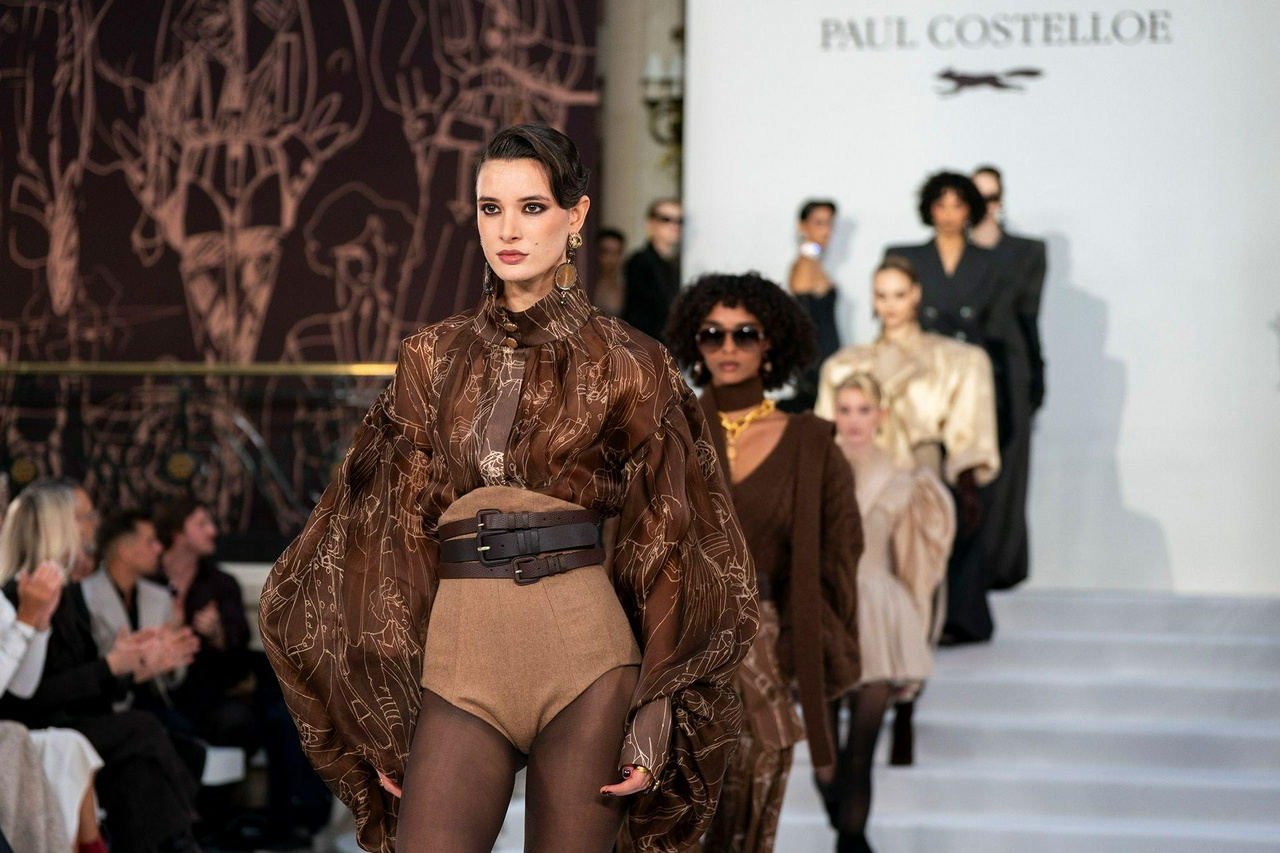 Give London a little rain, a few black cabs, a red double-decker and a fashion crowd dressed like they’re late to something extremely important—and suddenly the whole city is serving Fashion Week.
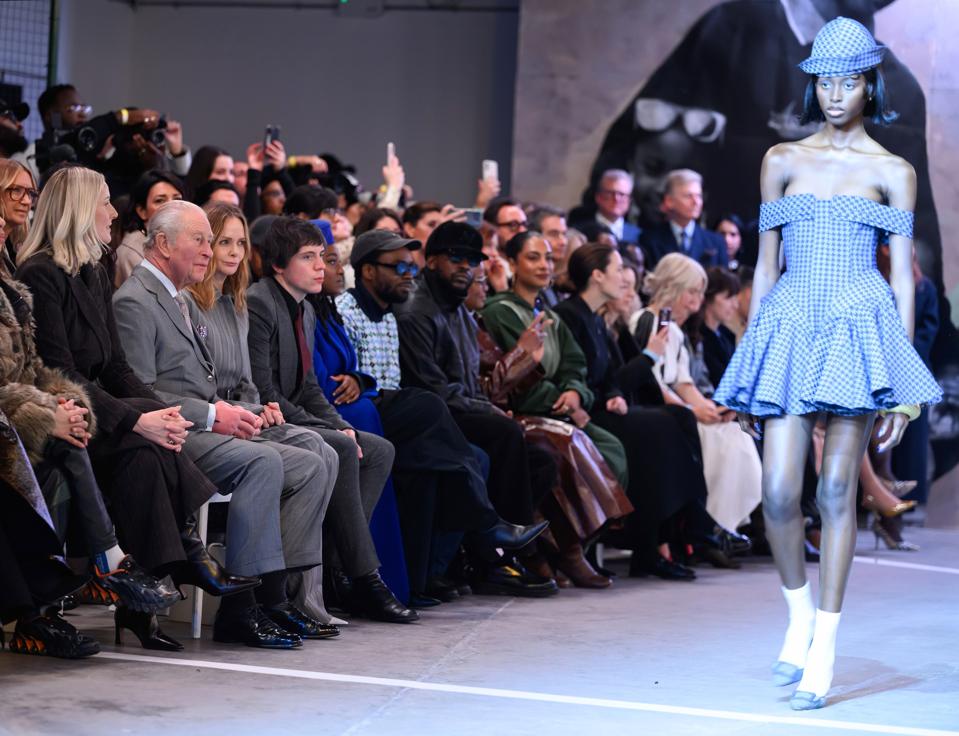 From Soho to Hyde Park, trench coats were flying, boots were marching, sunglasses were appearing in questionable weather, and the Tube was basically transporting fashion editors from one outfit change to the next.
London wasn't just hosting Fashion Week. It was wearing it.
London Fashion Week 2026: London, Take Your Bow !!!
The runway was everywhere.
From September 17–21, 2026, London Fashion Week turned the capital into one giant fashion set—and the pavement was just as important as the catwalk. More than 220 designers brought collections, presentations and experiments across the city.
From Soho to Hyde Park, trench coats were flying, boots were marching, sunglasses were appearing in questionable weather, and the Tube was basically transporting fashion editors from one outfit change to the next.
London wasn't just hosting Fashion Week. It was wearing it.
London Fashion Week 2026: London, Take Your Bow !!!
The runway was everywhere.
From September 17–21, 2026, London Fashion Week turned the capital into one giant fashion set—and the pavement was just as important as the catwalk. More than 220 designers brought collections, presentations and experiments across the city.
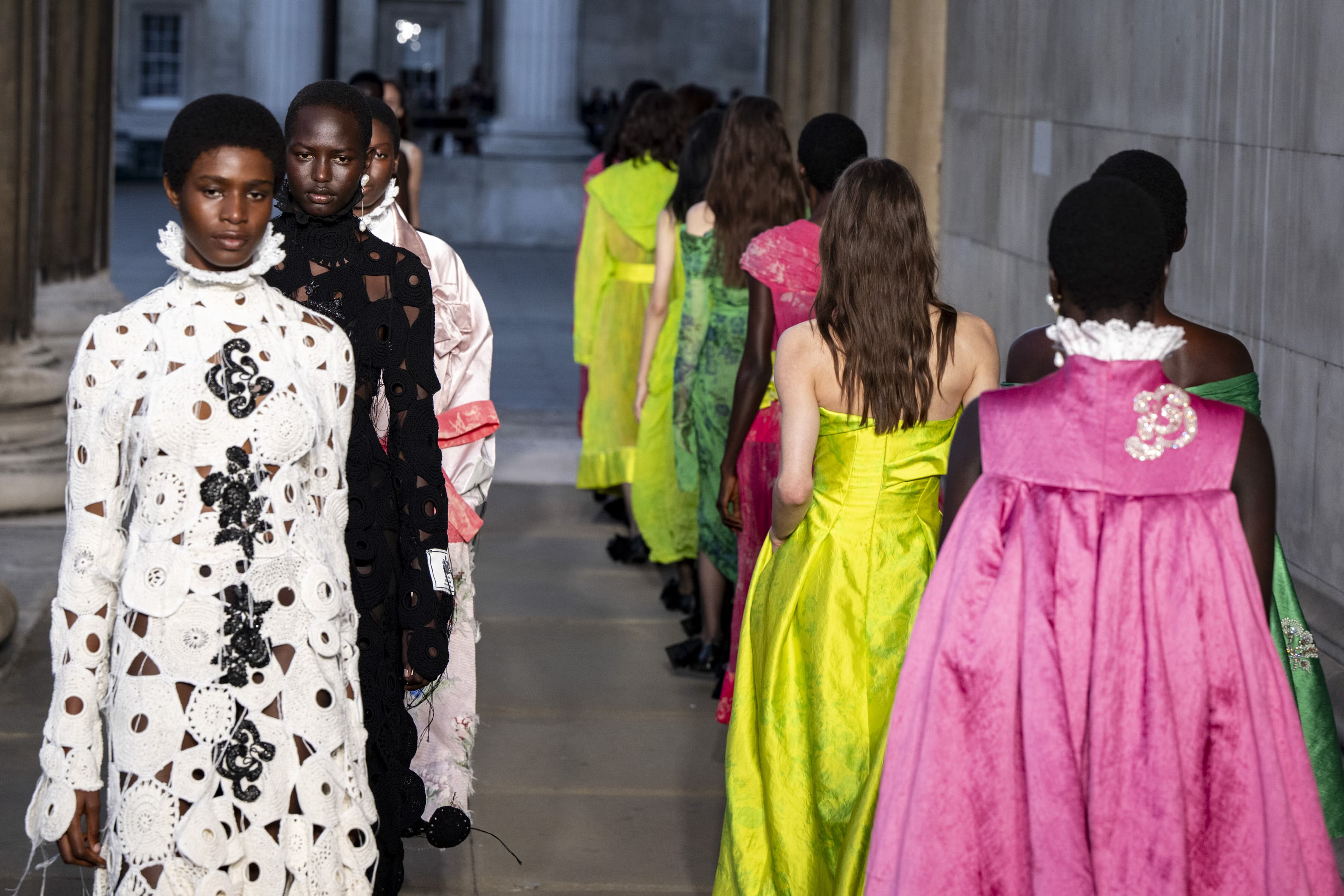 Paul Costelloe opened with a nautical-inspired collection, while outside, the street-style crowd was already serving: oversized tailoring, dramatic coats, boots, statement bags and sunglasses—because apparently grey skies are no excuse for bad accessorising.
 Then came Olympia London, where H&M brought the star power with names including Lila Moss and Alex Consani. Outside? Another runway. Cameras flashed as fashion editors, models and influencers moved between shows.
Across London, Burberry, Simone Rocha, Alexander McQueen and Mulberry pulled the fashion crowd from venue to venue—and every journey became another street-style moment.
Then came Olympia London, where H&M brought the star power with names including Lila Moss and Alex Consani. Outside? Another runway. Cameras flashed as fashion editors, models and influencers moved between shows.
Across London, Burberry, Simone Rocha, Alexander McQueen and Mulberry pulled the fashion crowd from venue to venue—and every journey became another street-style moment.
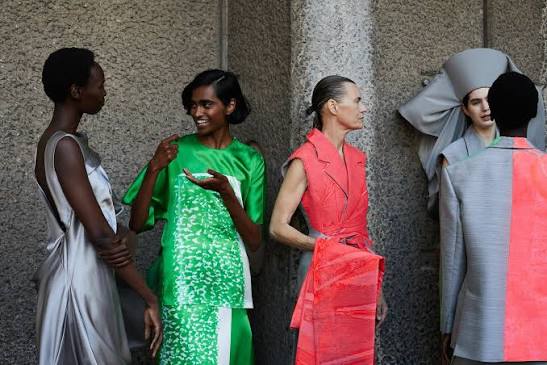 Meanwhile, Fashion Scout's 20th anniversary season brought emerging-designers energy, while Art Hearts Fashion transformed St. John's Church in Hyde Park into another fashion destination.
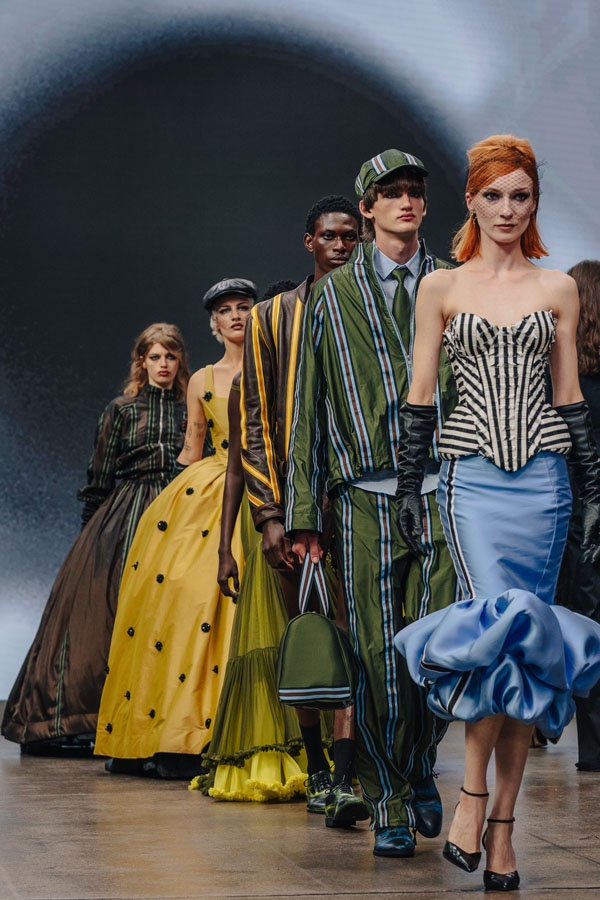 And naturally, London supplied the special effects.
Rain. Wind. Wet pavements. Black cabs.
A coat billowing dramatically in the breeze? Editorial.
A puddle reflecting a perfectly styled outfit? Content.
Hair slightly ruined by the weather? Call it texture.
Meanwhile, the Accra fashion girl is watching from 30°C thinking:
“Gorgeous. But please show me the linen version.”
The venues brought the fashion.
The streets brought the attitude.
The weather brought the drama.
And London turned the whole city into a runway.
And naturally, London supplied the special effects.
Rain. Wind. Wet pavements. Black cabs.
A coat billowing dramatically in the breeze? Editorial.
A puddle reflecting a perfectly styled outfit? Content.
Hair slightly ruined by the weather? Call it texture.
Meanwhile, the Accra fashion girl is watching from 30°C thinking:
“Gorgeous. But please show me the linen version.”
The venues brought the fashion.
The streets brought the attitude.
The weather brought the drama.
And London turned the whole city into a runway.
Odd Fashion Shows. Currently we have all these big fashion shows: New York, London, Milan and Paris and then Glitz Fashion show and Accra Fashion Week coming up. And last week we had an unusual one: a garden show.
Among the flower displays at Efua Sutherland Children's Park, garden plants, pots and whatever else you can think of, and opened by H.E. the Vice President Naana Jane Opoku-Agyeman, a fashion show was held with the theme “Flowery.”
One wonders. Nevertheless, the show featured 15 designers, with 7 designers from foreign countries, representing Nigeria, Benin, Togo, Côte d’Ivoire and Liberia. Among the Ghanaian participants was Dizgrace Fashion, an upcoming fashion brand, alongside designers such as Adetutu from Nigeria and Roderm Arts from Benin, established adding a strong international dimension to the showcase.
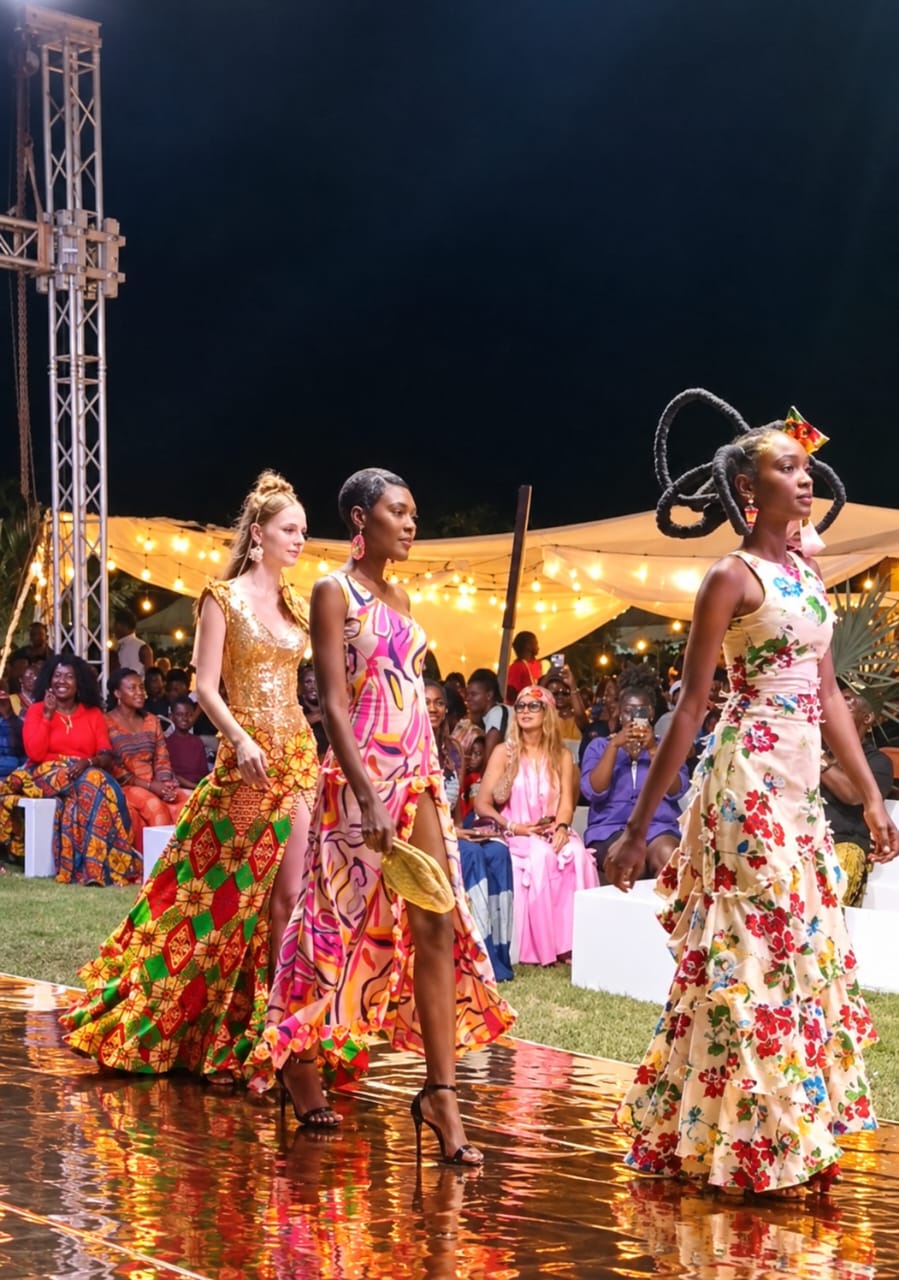 Dizgrace Fashion
Films. Often when I ask people what they do in their free time, the answer is: “Watching films.”
And, like fashion, there are film festivals: Cannes and Venice. There used to be Ouagadougou as well.
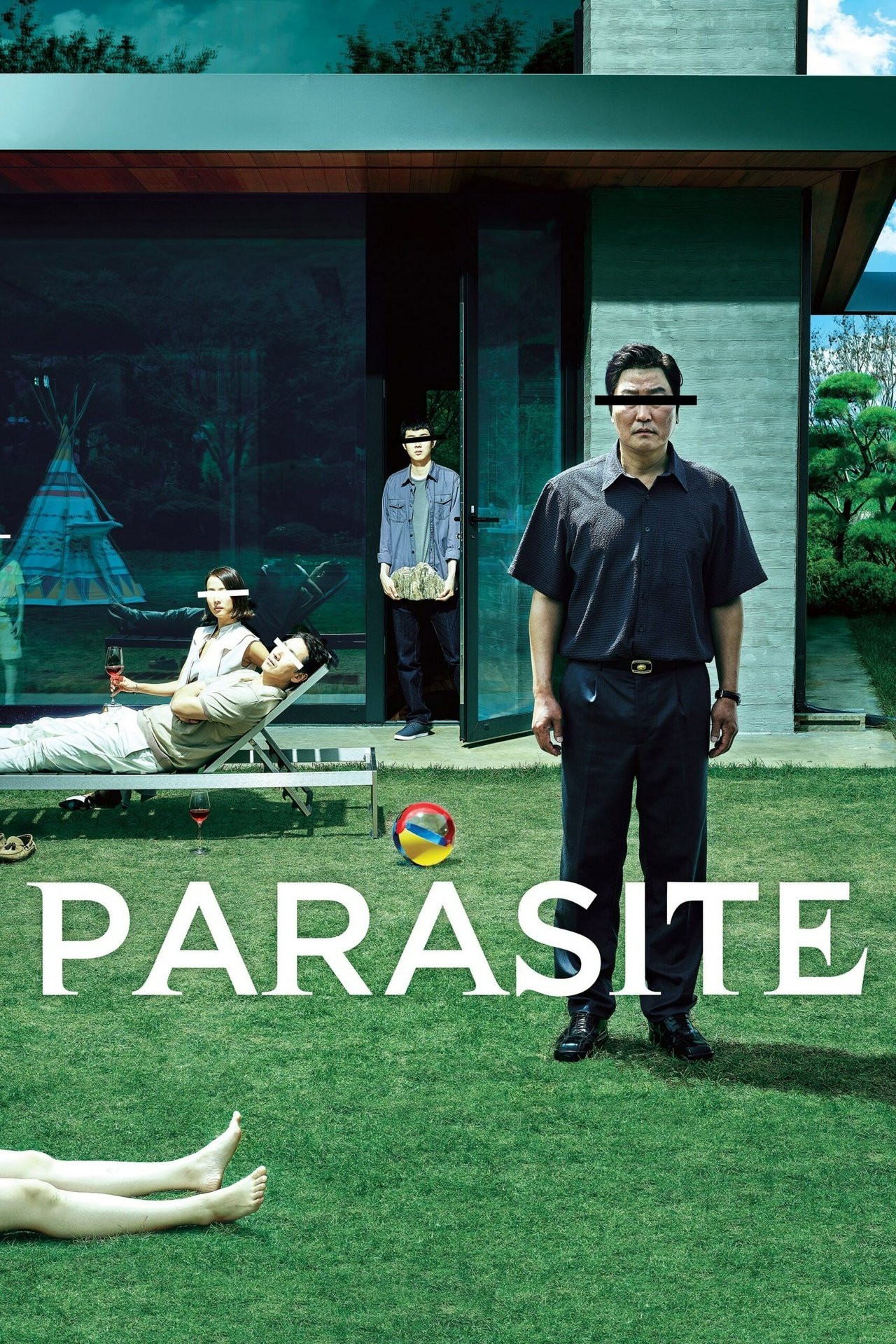
Here, unusual films with big potential are shown, and often films from countries you hardly knew existed come to the forefront. Cinema is much bigger than Hollywood. The rise of South Korean cinema is a good example of how films from outside America can reach and influence audiences around the world. Directors such as Park Chan-wook and Bong Joon-ho have brought distinctly Korean stories and perspectives to international audiences, with films such as Oldboy and Parasite. Cannes has also played an important role by giving films from different countries a prestigious international platform. Parasite, for instance, went on to win the Palme d’Or in 2019. Its story is deeply rooted in Korean society and social class, yet its themes are easily understood across cultures. This shows that audiences do not only look to Hollywood for compelling stories. European, Asian, African and Latin American filmmakers all have their own voices, experiences and ways of telling stories, making world cinema far richer than the American film industry alone.
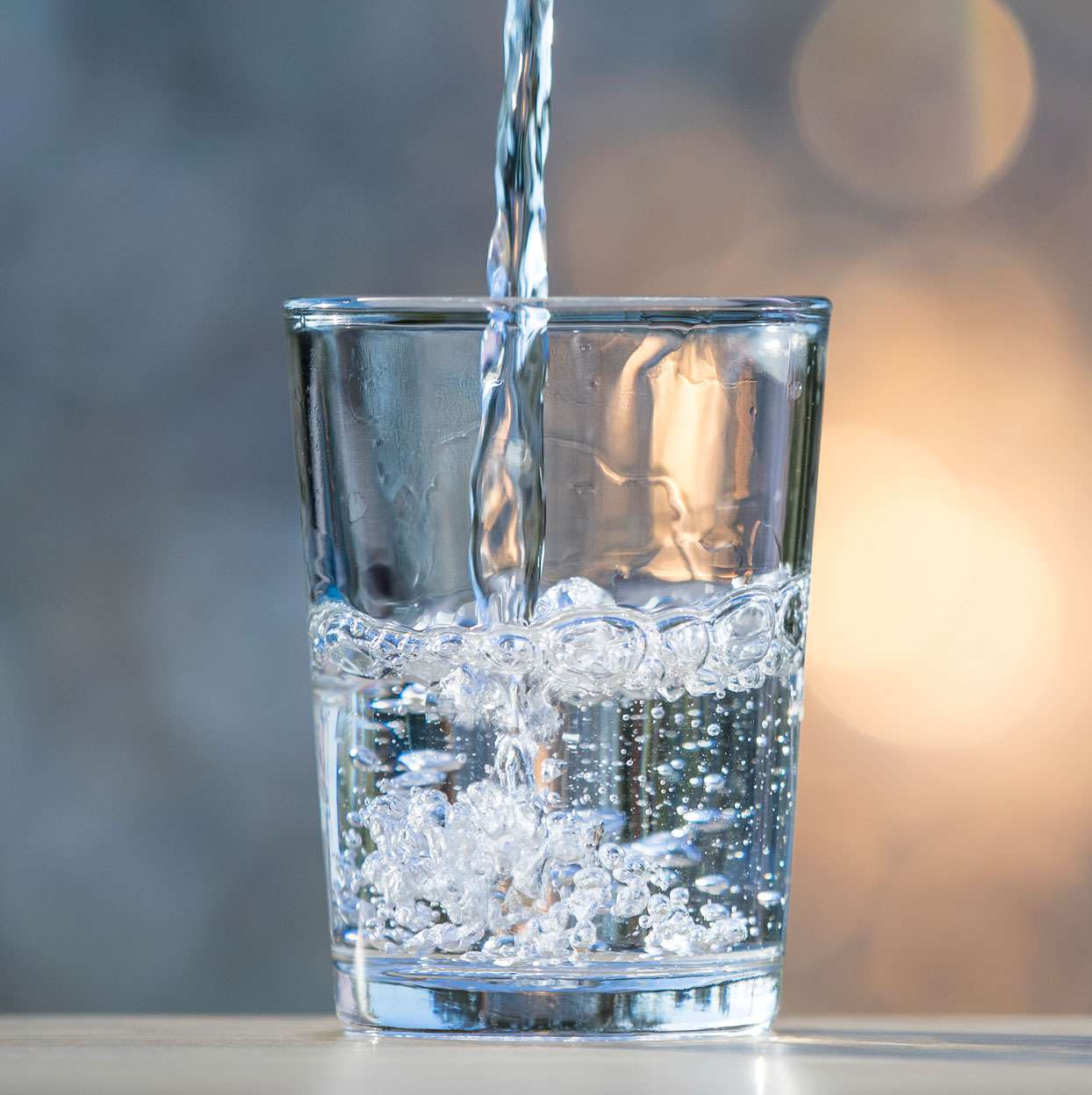
Water: Simple: water. But it is less simple than we think.
Typically, one needs to drink 2–3 litres of water per day in Accra. You can ask AI: “What is the daily water requirement for a 60-kilogram woman who mainly works indoors?” and you get quite detailed answers, including whether you use air conditioning or not.
And if you don't drink that much water? AI will tell you that you will automatically drink sufficiently because your body tells you when you are thirsty.
I disagree. We have learned to override that thirst feeling.
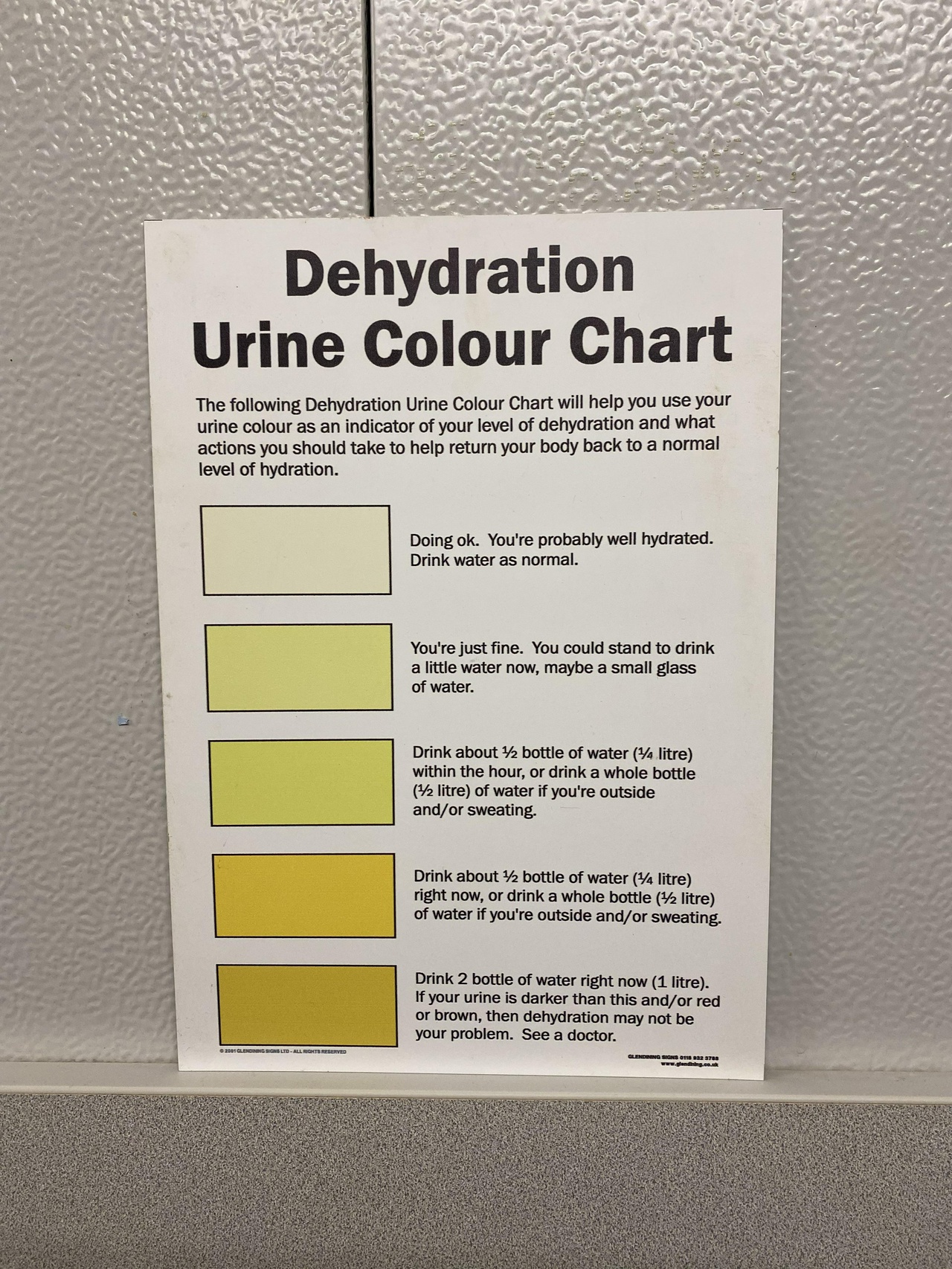
If you do not drink sufficiently, you may get headaches, have difficult or hard stools, feel easily tired and become irritated more quickly. A good yardstick is the colour chart below: every time you urinate, just check the colour and, if necessary, drink more.
 A small side step: around 40% of women in Accra have a UTI (Urinary Tract Infection) so be careful which toilet you use. You can even get it in our hospitals.
Now, the water we need to drink.
Since about 30 years, sachet and bottled water have become popular. The cost? Say three sachets a day — that is roughly 1.5 litres. The rest of your water probably comes from the food you eat.
At GHC 1.50 per day, that is about GHC 550 per year. Assuming you live until 65, that would be around GHC 35,000 over a lifetime.
Would that buy a car?
What happened before sachet and bottled water became popular?
People drank from the tap, and there were water sellers on the streets. They carried a tank on their back, rather like a spraying machine, and sold you a glass of water on the spot. Also for just a few pesewas.
Water from the tap? Yes. The Ghana Water Company disinfects the water seriously, using chlorine. That is one reason we have relatively few cases of cholera in Accra.
Drinking water from the tap would also reduce our garbage problem. Thousands and thousands of tonnes of plastic end up in our landfills — and we paid dollars to import that plastic in the first place.
Water. Simple.
A small side step: around 40% of women in Accra have a UTI (Urinary Tract Infection) so be careful which toilet you use. You can even get it in our hospitals.
Now, the water we need to drink.
Since about 30 years, sachet and bottled water have become popular. The cost? Say three sachets a day — that is roughly 1.5 litres. The rest of your water probably comes from the food you eat.
At GHC 1.50 per day, that is about GHC 550 per year. Assuming you live until 65, that would be around GHC 35,000 over a lifetime.
Would that buy a car?
What happened before sachet and bottled water became popular?
People drank from the tap, and there were water sellers on the streets. They carried a tank on their back, rather like a spraying machine, and sold you a glass of water on the spot. Also for just a few pesewas.
Water from the tap? Yes. The Ghana Water Company disinfects the water seriously, using chlorine. That is one reason we have relatively few cases of cholera in Accra.
Drinking water from the tap would also reduce our garbage problem. Thousands and thousands of tonnes of plastic end up in our landfills — and we paid dollars to import that plastic in the first place.
Water. Simple.
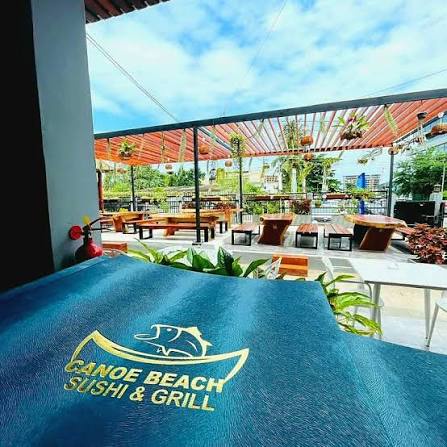
Canoe Beach Sushi & Grill. 19th 4th Circular Road, Paul Weijer Street, Cantonment, Accra.
The place is run by a real Korean fisherman, born here, with a real fishing boat. Tema used to be full of Korean fishermen and still is. And they didn't only catch fish.
The restaurant has a cozy outdoor area and a very chic interior. The prices are chic wherever you sit, and our tablecloth was sheer luxury.
We had white-fish carpaccio, which turned out to be hammer fish, at GHC 375. It was decorated with sweet oranges, which made for a nice combination.
Then came sushi octopus at GHC 295 — indeed, something very special.
The lobster was GHC 480, but it could have been fresher, and the sauce did not improve it. The little fried fish were nice.
There was no barracuda.
A big Club beer — they didn't have small ones — goes for GHC 77.
And be careful: on top of all this, there is an 8% service charge, like it or not.
The prices put me off, but the quality was above average.
Full Moon this Saturday. Nice beach walk at Laboma beach to admire the results of building without a license if you have no friends.
2nd October is grandparent's day. Don't forget.
Lydia...
Do not forget to hit the subscribe button and confirm in your email inbox to get notified about our posts.
I have received requests about leaving comments/replies. For security and privacy reasons my blog is not associated with major media giants like Facebook or Twitter. I am talking with the host about a solution. for the time being, you can mail me at wunimi@proton.me
I accept invitations and payments to write about certain products or events, things, and people, but I may refuse to accept and if my comments are negative then that's what I will publish, despite your payment. This is not a political newsletter. I do not discriminate on any basis whatsoever.
_