The MAG weekly Fashion and Lifestyle Blog for the modern African girl by Lydia, every Friday at 1700 hrs. Nr 191 6th February, 2026
Lydia's Weekly Lifestyle blog is for today's African girl, so no subject is taboo. My purpose is to share things that may interest today's African girl.
This week's contributors: Lydia, Pépé Pépinière, Titi. This week's subjects: Building Your Core Palette, Luxury, fine food, drinks or fashion? and “An apple a day keeps the doctor away”
Building Your Core Palette Let’s break down your Accra Corporate Capsule, neutral edition: Base tones: White, cream, beige, tan — perfect for blouses, dresses, and soft tailoring.
 Grounding shades: Camel, coffee brown, and charcoal — ideal for trousers, blazers, and skirts.
 Accent tones: Soft blush, olive, and muted gold — subtle pops that keep things warm and modern.
 When you stick to this palette, your wardrobe becomes harmonious. Everything goes with everything. Suddenly, dressing for work feels like a five-minute affair instead of a morning crisis.
From Minimal to Memorable:
Neutral doesn’t mean basic. The trick is in the textures and cuts. A linen blazer over a silk camisole, a pleated ivory skirt paired with a structured tan belt — it’s about layers and details that catch the light without shouting for attention.
When you stick to this palette, your wardrobe becomes harmonious. Everything goes with everything. Suddenly, dressing for work feels like a five-minute affair instead of a morning crisis.
From Minimal to Memorable:
Neutral doesn’t mean basic. The trick is in the textures and cuts. A linen blazer over a silk camisole, a pleated ivory skirt paired with a structured tan belt — it’s about layers and details that catch the light without shouting for attention.
 And let’s not forget shoes. Nude pumps are a staple, but pair them with gold hoops and a textured handbag, and you’ve just turned “simple” into “stunning.”
 Neutrals in the Accra Glow:
Here’s the bonus: neutrals love the Accra sunlight. The way a soft beige dress glows against melanin skin under that late-afternoon golden hour? Pure magic.
Neutrals in the Accra Glow:
Here’s the bonus: neutrals love the Accra sunlight. The way a soft beige dress glows against melanin skin under that late-afternoon golden hour? Pure magic.
 Whether you’re walking through Ridge after a meeting or heading to an after-work hangout at Skybar, neutrals make you look effortlessly radiant.
In conclusion; Neutrals aren’t about playing it safe —they’re about playing it smart. They’re the silent statement-makers that say, “I’m confident enough not to shout.”
So next time you’re tempted by that bright orange blazer, pause. Ask yourself: Would beige do it better? Chances are… yes, darling. Yes, it would.
Whether you’re walking through Ridge after a meeting or heading to an after-work hangout at Skybar, neutrals make you look effortlessly radiant.
In conclusion; Neutrals aren’t about playing it safe —they’re about playing it smart. They’re the silent statement-makers that say, “I’m confident enough not to shout.”
So next time you’re tempted by that bright orange blazer, pause. Ask yourself: Would beige do it better? Chances are… yes, darling. Yes, it would.
Luxury, fine food, drinks or fashion? LVMH, owner of 75 brand names ranging from Dior to Louis Vuitton happily combines them all. They recently bought into the European Wagon Litz trains, already part owned by Accor Hotels (5100 hotels worldwide including Ibis and Novotel). In the early parts of the last century connecting London to Paris to Venice to Vienna to Istanbul these trains have now become a luxury toy. The idea is that you dress up (in one of the many LVMH fashion brands, preferably and of course) and have first class meals and LVMH drinks such as Moët & Chandon, Veuve Clicquot, Hennessy, Dom Pérignon and they own another 25 brands including South American and Chinese brands (there is choice, but unfortunately Johnney Walker is not sufficiently exclusive, that's for people who don't even know how to spell that name) and you sit and sleep in a slow moving train (and I guess you'll take a few selfies). It will take 24 hours. For example Paris to Venice is $5300, that is sharing a cabin with someone, the luxury cabins is 16800 $ for the night.
 LVMH has now added a Cote d'Azur trip, Nice, Monte Carlo, Monaco, Cannes and Entibes.
 Something for Valentine's day? I guess if you show the embassy the tickets you'll get a visa? What was the saying again? Take moneys from fools before they spend it wrongly? LVMH have surely understood that.
“An apple a day keeps the doctor away”. Most of these apples we see in Accra traffic are imported from South Africa, they don’t really grow in our climate, though you might harvest one or two if you planted an apple tree. And you want your apple to look nice. Here's the problem, apples growing naturally don’t look nice, they are attacked by all sort of insects and other pests before you get to it (same for peaches, plums and other “European” fruits).
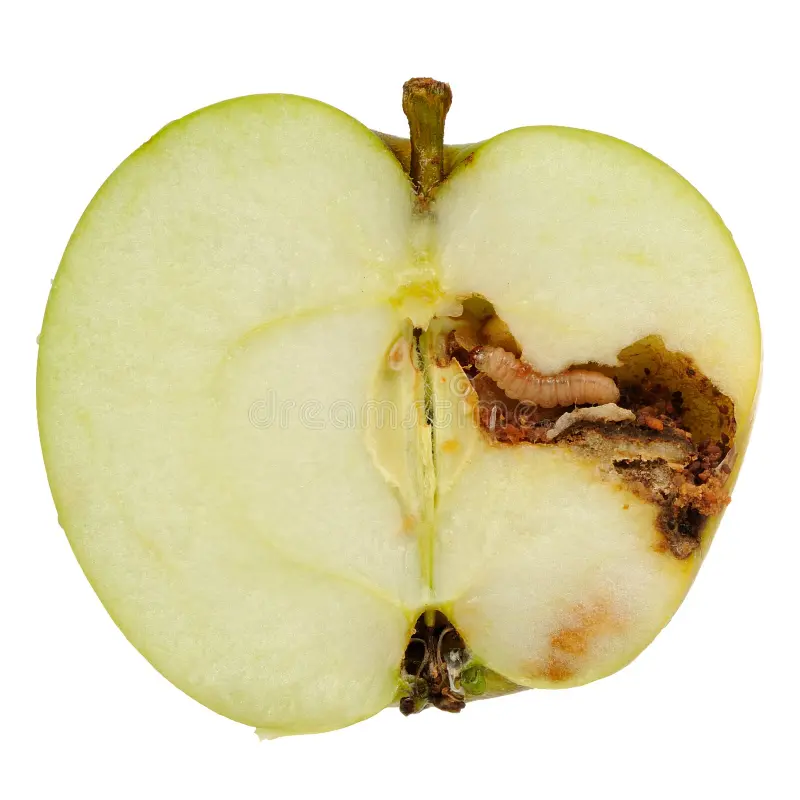 This is not really a problem, we have a lot of chemical pesticides to keep these parasites away, so we spray 7-9 times and boom, nice apple. Theoretically not many chemical residues remain by the time the apple gets to you, and they are to be below a certain threshold, so have a bite. Well, that's the theory. Apples sold to the public overwhelmingly contain multiple pesticide residues, according to a survey published recently by Pesticide Action Network Europe (PAN Europe) and thirteen partner organizations. In 70% of cases, the 59 samples from 12 European countries contained several residues, some as many as 7, some classified among the most toxic, some persistent pollutants (PFAS), many above the legally approved thresholds.
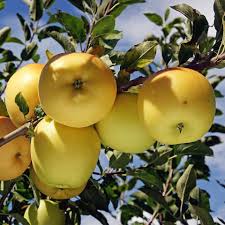 Only four out of 59 samples would have been approved for consumption by babies where standards are stricter. An additional problem is the “cocktail effect”. To write in simple language, say that we tested that you can take up to 10 tablets of paracetamol a day, and that we also tested that you can take up to 5 tabs of imodium. But did anyone test 10 tablets of paracetamol plus 5 tablets of imodium? No, or hardly. So if you now find 5 or 7 pesticide residues on your apple then it is any bodies guess what effect that might have on you, or the baby you are breast feeding, especially if already the permitted thresholds are passed.
And, last one, to make matters worse, South Africa has a bit of a reputation of using forbidden chemicals, to the extent that sometimes the workforce goes on strike because they claim they are being poisoned.
So how about organically grown apples, the ones without the chemicals? That is possible, they hang fine nets over the orchard to keep the insects away and use organic chemicals (like neem extract) to stench the insects away. But that apple would easily cost twice as much, and poor as we are perceived to be no one is going to try that one on Ghana. Bon appetite? No.
Only four out of 59 samples would have been approved for consumption by babies where standards are stricter. An additional problem is the “cocktail effect”. To write in simple language, say that we tested that you can take up to 10 tablets of paracetamol a day, and that we also tested that you can take up to 5 tabs of imodium. But did anyone test 10 tablets of paracetamol plus 5 tablets of imodium? No, or hardly. So if you now find 5 or 7 pesticide residues on your apple then it is any bodies guess what effect that might have on you, or the baby you are breast feeding, especially if already the permitted thresholds are passed.
And, last one, to make matters worse, South Africa has a bit of a reputation of using forbidden chemicals, to the extent that sometimes the workforce goes on strike because they claim they are being poisoned.
So how about organically grown apples, the ones without the chemicals? That is possible, they hang fine nets over the orchard to keep the insects away and use organic chemicals (like neem extract) to stench the insects away. But that apple would easily cost twice as much, and poor as we are perceived to be no one is going to try that one on Ghana. Bon appetite? No.
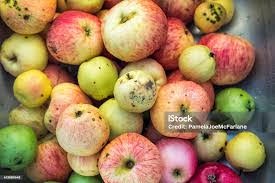 Organically grown apples
Lydia...
Do not forget to hit the subscribe button and confirm in your email inbox to get notified about our posts.
I have received requests about leaving comments/replies. For security and privacy reasons my blog is not associated with major media giants like Facebook or Twitter. I am talking with the host about a solution. for the time being, you can mail me at wunimi@proton.me
I accept invitations and payments to write about certain products or events, things, and people, but I may refuse to accept and if my comments are negative then that's what I will publish, despite your payment. This is not a political newsletter. I do not discriminate on any basis whatsoever.
_